
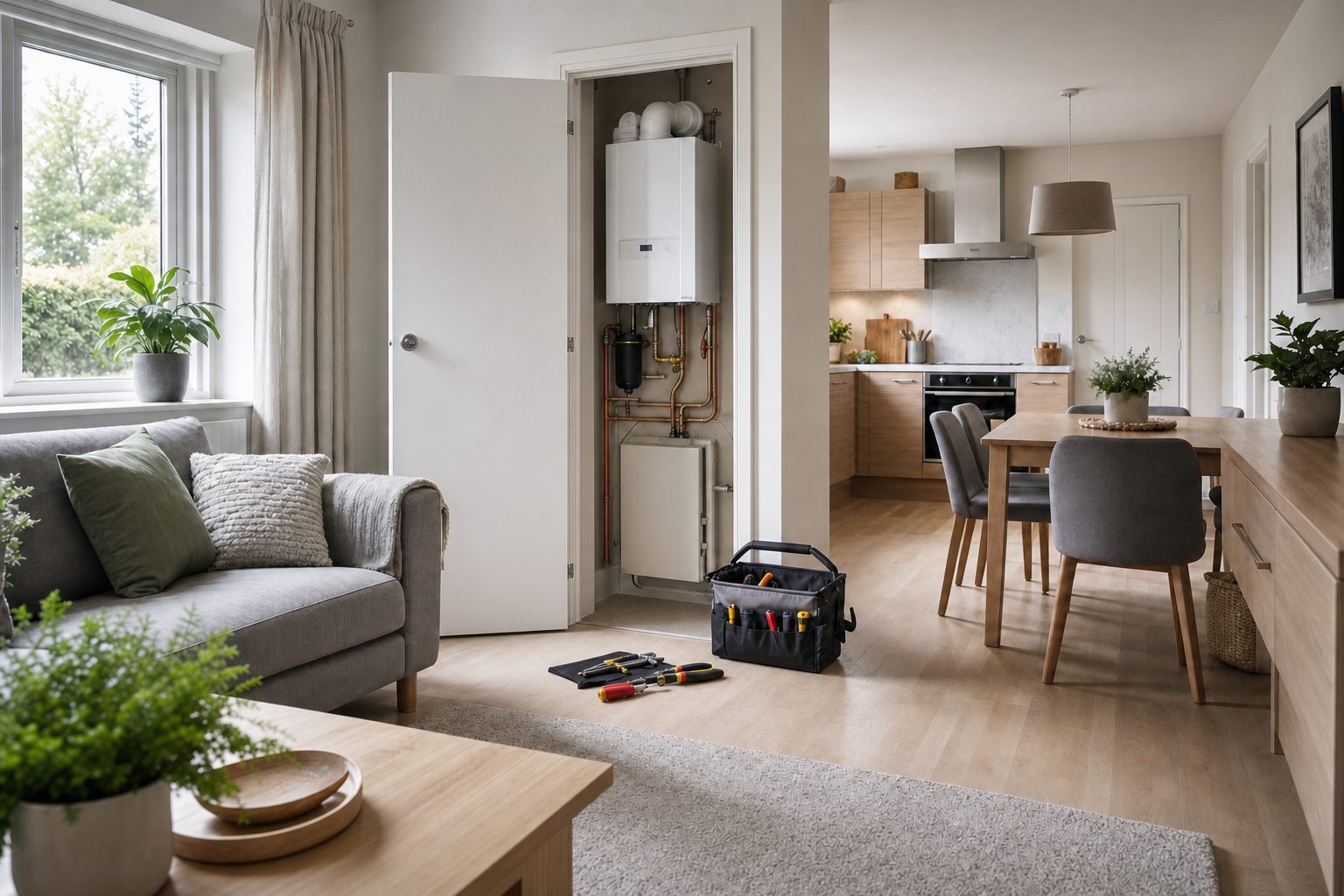
What members gain from regular checks
Reduced call-out rates
Membership gives a confirmed saving when separate call-outs are needed.
Useful ongoing oversight
Regular checks help spot issues before they become bigger disruptions.
Good for homes and rentals
It suits owner-occupied properties and landlords with ongoing upkeep.
Planned checks can save a lot of hassle later
Some property problems do not arrive out of nowhere. They grumble first. A small fault appears, something starts behaving oddly, or a job keeps getting pushed down the list until it chooses a thoroughly inconvenient day to get worse. Home Club is for people who would rather stay ahead of that pattern. With Boylan Woods LTD, the plan gives you regular checks and reduced call-out rates, which can be especially useful if you manage a rental property or simply want a steadier grip on electrical, heating, plumbing or general maintenance concerns around the home.
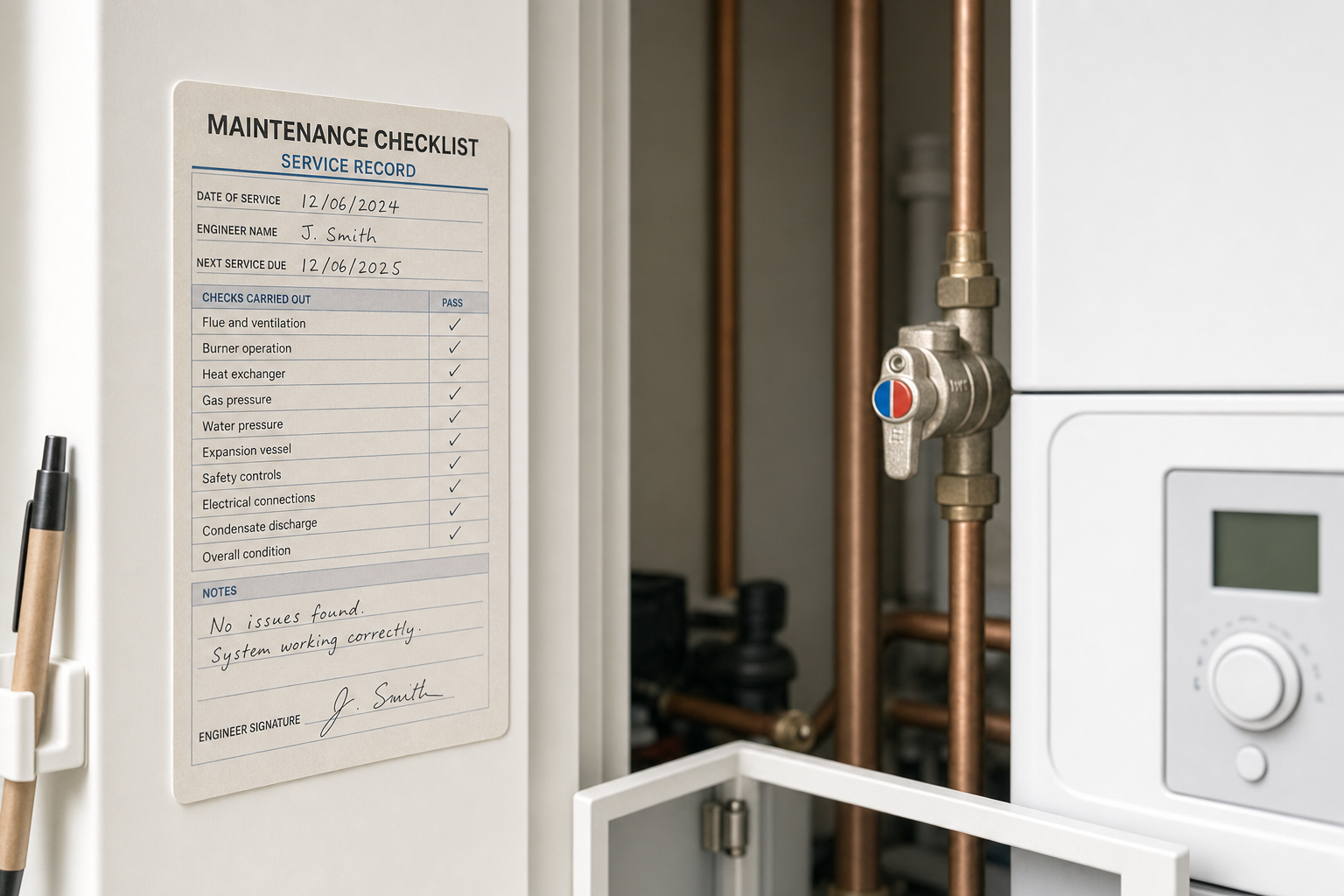
It is planned oversight, not a vague promise
The value of Home Club is in giving each scheduled check something useful to focus on. Keeping a note of recurring symptoms, small changes and maintenance concerns means we can look at the points that matter most when we attend. Planned checks are different from a separate repair request or an emergency visit, but they can help catch developing trouble before it becomes far more disruptive. Through Boylan Woods LTD, it is a practical way to keep the property under review instead of waiting for the next surprise.
Frequently asked questions
Who is Home Club most useful for?
It suits homeowners who prefer planned upkeep and landlords who want regular oversight of a property. If you have recurring maintenance concerns or simply want a better grip on what needs attention, the plan can be a practical fit.
What is the difference between a check and a repair visit?
A scheduled check is part of the ongoing maintenance plan and is there to review the property's current condition and any concerns you have noted. A separate repair or emergency visit is requested when something specific has already failed or become urgent.
How can I make the regular checks more useful?
Keep a note of changes, recurring symptoms and small concerns as they appear. That way, each visit can focus on current priorities instead of relying on memory or trying to guess which issue was the one that kept making a noise last month.