
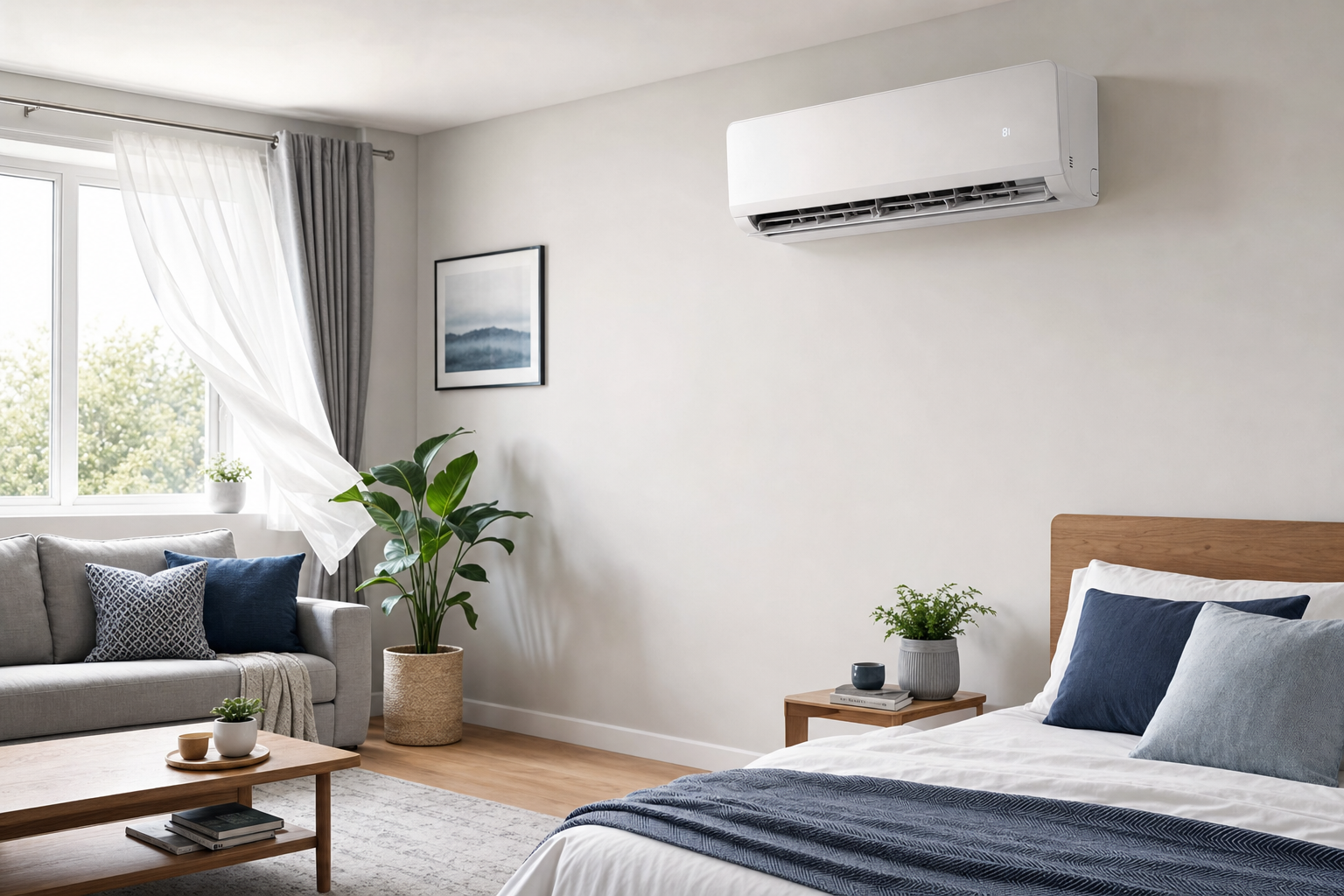
What keeps the system dependable
Symptoms checked properly
We work from the actual fault signs, not guesses based on one symptom.
Servicing with purpose
Routine checks support airflow, drainage and steadier day-to-day running.
Useful fault details welcomed
Codes, room effects and system details help us focus the repair visit.
Servicing prevents trouble, repairs solve it
Air conditioning does not usually fail without leaving clues first. Cooling drops off, airflow weakens, water appears where it should not, or a smell starts drifting across the room. We treat routine servicing and fault diagnosis as two different jobs. With Boylan Woods LTD, a service visit looks at filters, coils, condensate drainage, airflow, controls and general operation, while a repair visit starts with the symptoms you have noticed and works forward through testing. That helps us deal with the actual fault instead of swapping parts on a hunch.
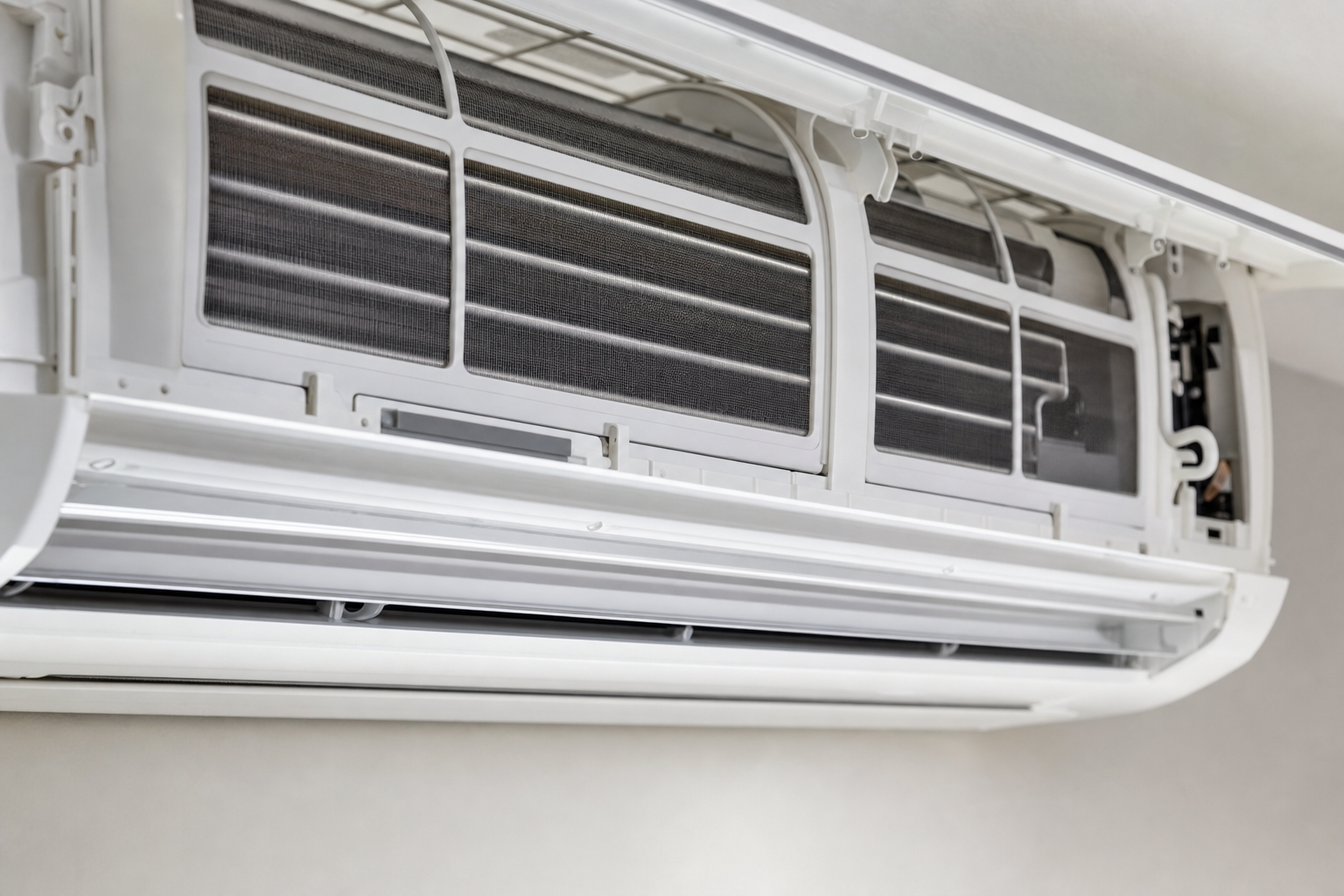
Clear details help us diagnose faster
If the system is cutting out, making noise or showing a fault code, the more detail you can give us, the better. We ask about the make, model, recent changes, the rooms affected and whether the problem is constant or intermittent. Through Boylan Woods LTD, you can also raise smaller issues before they turn into a full loss of cooling, because regular maintenance often highlights wear, airflow trouble or drainage problems while there is still time to sort them calmly.
Frequently asked questions
What signs mean my air conditioning needs attention?
Reduced cooling, weak airflow, leaks, unpleasant odours, unusual noise and intermittent running are all worth checking. None of those faults improve by being ignored, and several can point to drainage, airflow or control issues inside the system.
What happens during a repair visit?
We confirm the symptoms, look at how and when the fault appears, test the system and trace the likely cause before discussing the appropriate remedial work. That matters because similar room symptoms can come from very different problems inside the unit.
What should I send before you attend?
If you can, send the make and model, any fault code, when the issue started and which rooms are affected. Even a short message with those details can help us prepare for the visit more efficiently and spend less time working backwards.